

The day I realized that I can use my tools to build, instead of always fighting with them, is the day I ditched Windows for Linux. When you start utilizing Linux fully, you stop facing cryptic PATH errors and waiting on slow packager managers. You stop wondering why your code worked on your machine but broke down in production. Linux for developers is the most powerful, flexible, and efficient operating system you can choose. Here is why.
The Real Advantages of Linux for Developers
The following are the advantages of Linux for developers:
- Native terminal experience — Bash, Zsh, and your entire Unix toolchain work as intended, no emulation layers needed
- Package managers that don’t fight you — apt, pacman, dnf: install in seconds, not minutes
- Stability under pressure — I’ve had Linux servers run for 400+ days without a reboot. Try that on Windows
- Full system transparency — You own your machine. Every config, every process, every log is yours to inspect
Mac vs Windows vs Linux for Developers: An Honest Take
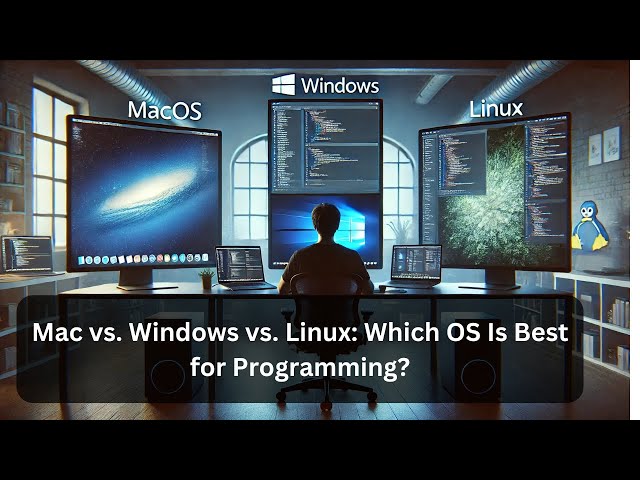
I have used Windows, Mac and Linux professionally. This is my honest and humble opinion on the three OS.
1. macOS
The Unix foundation in macOS makes it more polished. However, on this platform you are locked into Apple’s hardware pricing and their closed ecosystem.
2. Windows OS
Windows now has WSL2 which is impressive. However, it’s still a workaround. You’re bolting Linux onto Windows, which tells you everything you need to know.
3. Linux OS
Linux is the native home of tools developers actually use, such as Docker, Git, Vim, SSH, compilers. For many developers, Linux is home for code.
Finding the Best Linux for Developers
Not all Linux distros function the same way. To choose the best Linux for developers, use your workflow as a guiding point:
- Ubuntu/Pop!_OS is best for beginners and those who want stability without fuss
- Fedora comes with cutting-edge packages, great for those who want modern toolchains
- Arch Linux guarantees maximum control and requires maximum learning
- Debian is the right choice if you want something that simply runs without surprises
When choosing Linux for developers, start where you are comfortable. Then start using the more complex systems to advance your skills.
Why I’ll Never Go Back
I learned how software and operating systems actually work when I started using Linux. And because of it, I became a better developer. Each error I made forced me to understand the system beneath the code. If you care about your tools, speed, and independence, Linux is your answer.
As usual, the comment section is open. Let me know what you think about Linux for developers and how it compares to other tools.